

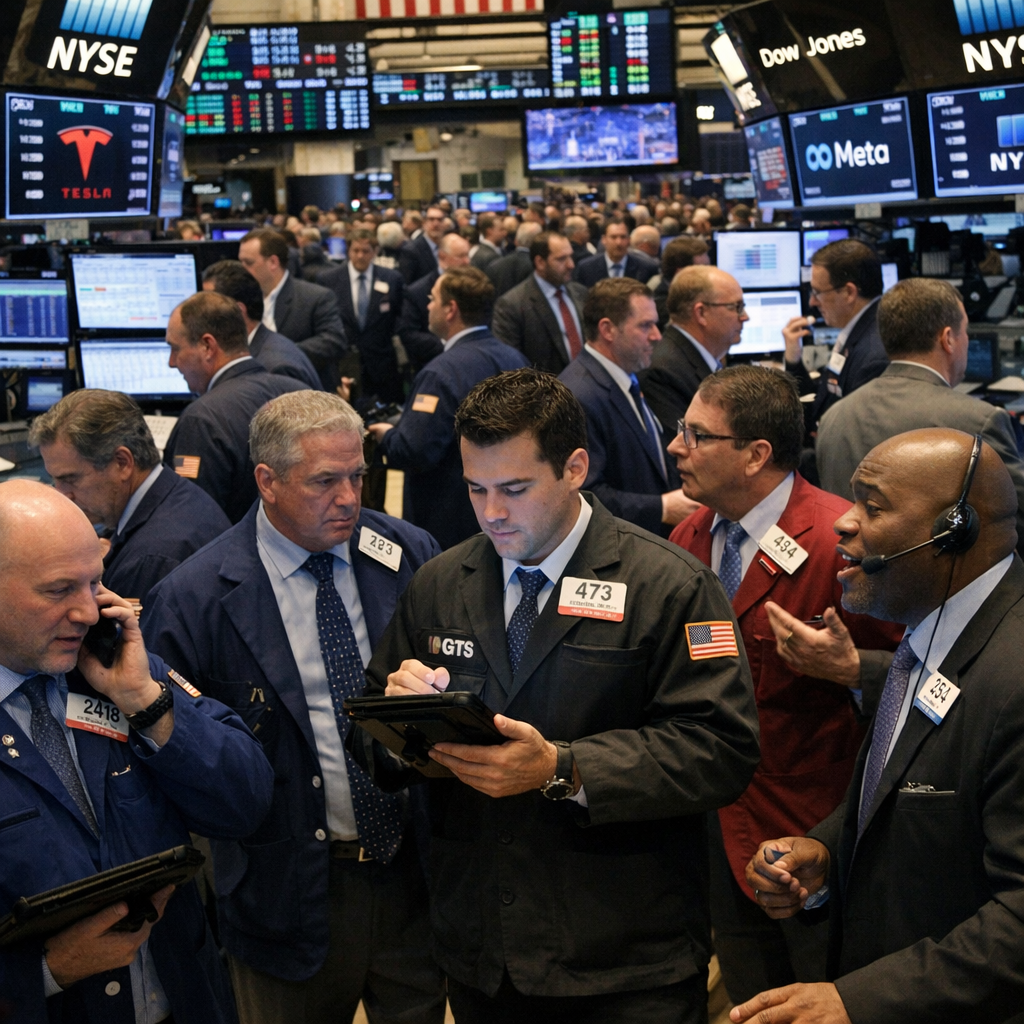
The United States economy, a complex and dynamic system, is influenced by various factors including consumer behavior, government policies, and global events. Understanding its current state requires examining key indicators such as Gross Domestic Product (GDP) growth, employment rates, and sectoral performance.
Gross Domestic Product (GDP) Growth
GDP measures the total value of goods and services produced within a country and serves as a primary indicator of economic health. In the first quarter of 2026, the U.S. economy expanded at an annualized rate of 2%, rebounding from a 0.5% growth rate in the previous quarter. This improvement was partly attributed to increased federal spending following a government shutdown and robust investments in artificial intelligence sectors. However, the outlook remains uncertain due to geopolitical tensions, notably the conflict in Iran affecting energy prices and inflation.
Employment Trends
The labor market reflects the economy’s capacity to generate jobs and maintain low unemployment rates. In April 2026, the U.S. economy added 115,000 jobs, surpassing economists’ expectations. The unemployment rate held steady at 4.3%. The health care sector led job creation with 37,000 new positions, indicating consistent growth in this area. This resilience in employment suggests a stable labor market despite global challenges.
Sectoral Contributions
Different sectors contribute variably to economic growth. The artificial intelligence industry has shown enduring strength, with significant investments driving economic expansion. Conversely, residential investment declined for the fifth consecutive quarter, indicating challenges in the housing market. Consumer spending, which accounts for a substantial portion of economic activity, slowed to a 1.6% growth rate in the first quarter of 2026, reflecting financial pressures on households.
In summary, while the U.S. economy demonstrates resilience through steady GDP growth and employment rates, challenges such as geopolitical tensions and sector-specific declines necessitate careful monitoring and adaptive policies to sustain economic stability.