

The U.S. economy is currently experiencing a period of steady expansion, though certain challenges persist. Recent data indicates that while the economy has rebounded from previous contractions, growth rates in the last two quarters have been lower than anticipated. This suggests a cautious optimism among economists and policymakers.
Labor Market Dynamics
The labor market continues to add jobs, reflecting resilience in various sectors. However, there is a growing concern over the rise in long-term unemployment. This trend underscores the need for targeted policies to support those who have been out of work for extended periods.
Inflation Trends
Inflation rates have decreased from their previous peaks but remain stubbornly above the Federal Reserve’s target. This persistent inflation has led the Federal Reserve to maintain its benchmark interest rate in the 4.25%-4.50% range, aiming to balance economic growth with price stability.
Trade Policies and Economic Uncertainty
Trade policies continue to influence economic conditions. The administration’s proposed tariffs, set to take effect in July 2026, have introduced a degree of uncertainty in financial markets. While these measures aim to protect domestic industries, they also pose potential risks to international trade relations and economic stability.
Local Implications
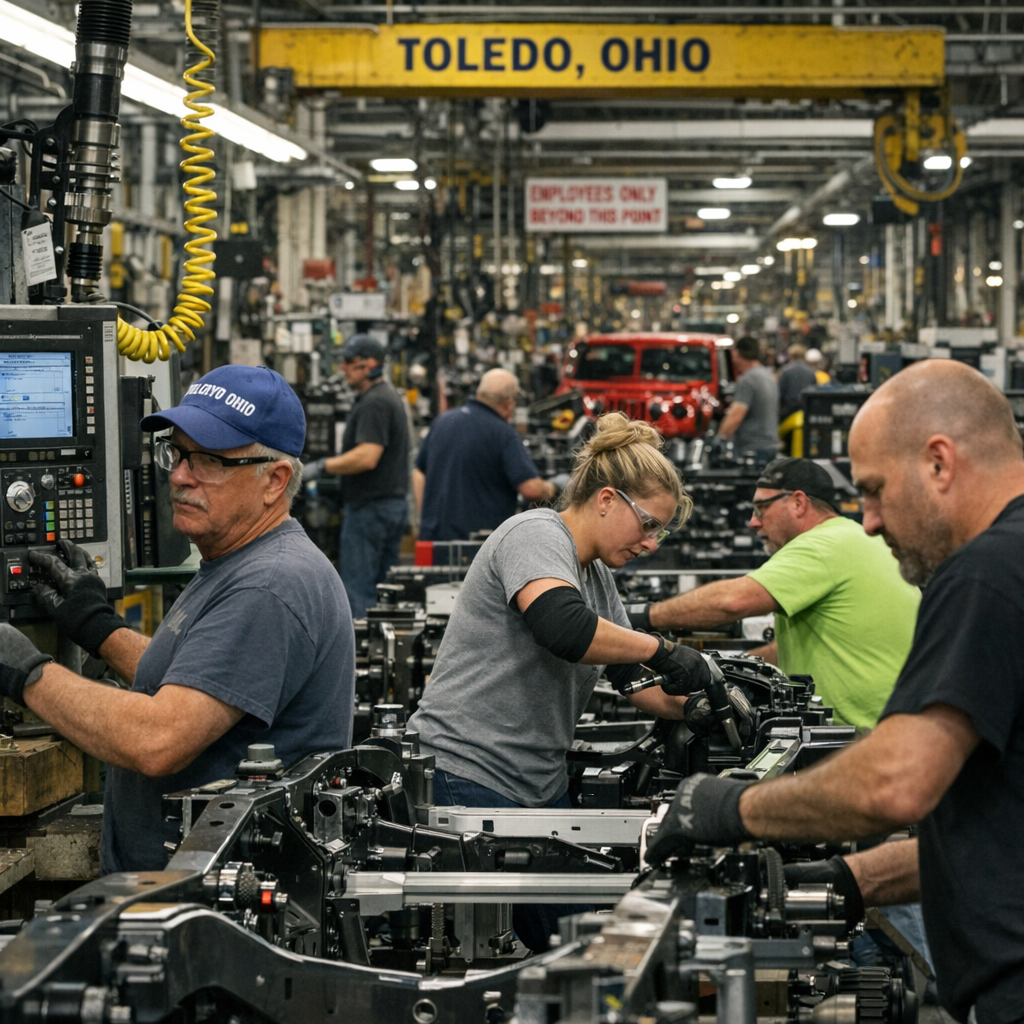
For residents of Toledo, Ohio, these national economic trends have tangible effects. The manufacturing sector, a significant component of the local economy, may face challenges due to changing trade policies. Additionally, fluctuations in employment rates and inflation can impact household budgets and consumer spending within the community.
Staying informed about these developments is crucial for individuals and businesses alike. By understanding the broader economic landscape, Toledo residents can better navigate the challenges and opportunities that lie ahead.