
Recent surveys have highlighted a growing unease among Americans regarding the state of the national economy. A Gallup poll indicates that nearly half of Americans (47%) rate current economic conditions as “poor,” marking a 7-point increase from the previous month. Additionally, 73% believe the economy is deteriorating, also up by 7 points. Similarly, a Fox News poll found that 70% of registered voters feel the economy is worsening, a 15-point rise from last April, matching a record high set in 2023.
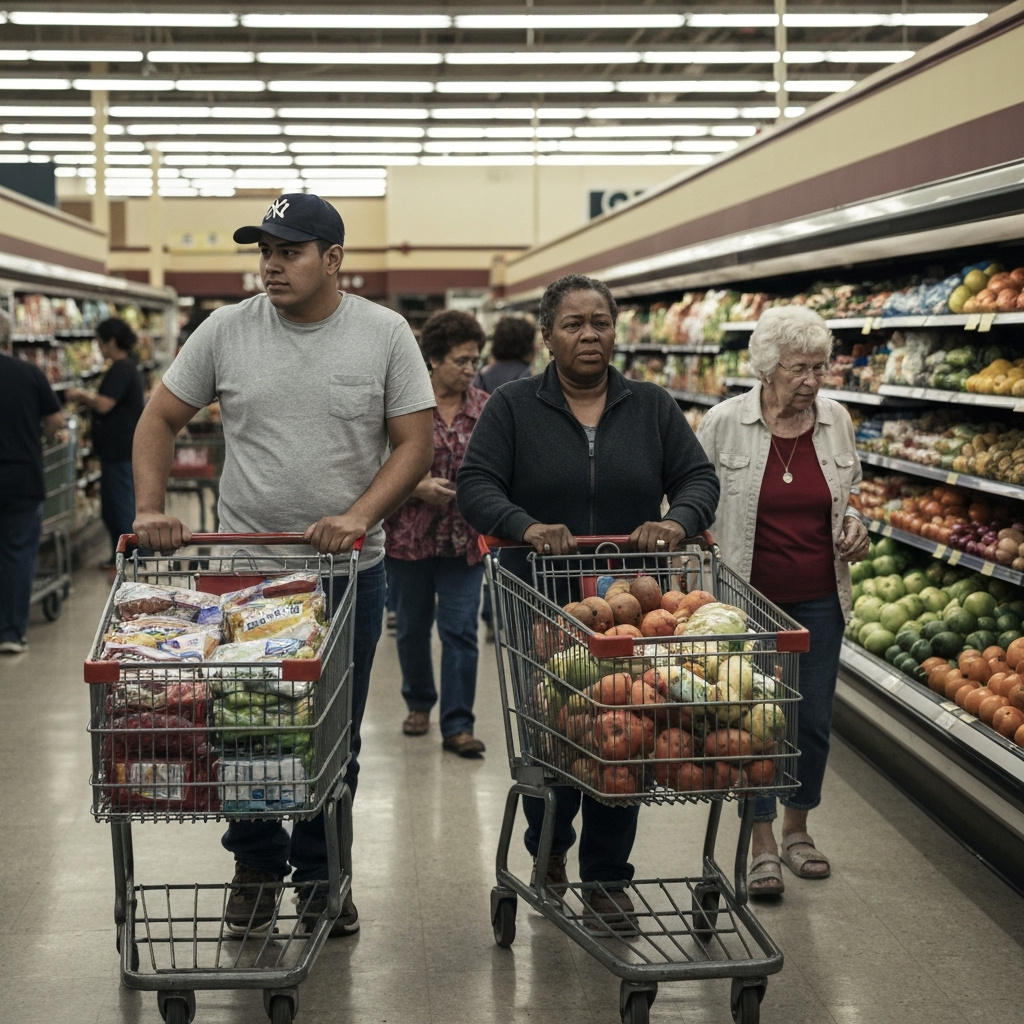
Inflation remains a significant concern. A Marquette Law School poll reports that 70% of Americans anticipate inflation will rise over the next year, up 9 points since January. This sentiment is reflected in personal finances, with 60% of voters rating their financial situation as “only fair” or “poor,” including 28% who describe it as poor. High prices for essentials like groceries and gas are major contributors to this outlook. According to Marquette, 82% of Americans have noticed grocery prices increasing over the past six months, and 93% have observed higher gas prices.
These economic challenges are influencing consumer behavior. A CNBC poll reveals that nearly 80% of voters have adjusted their spending habits, with about 60% reducing expenditures on out-of-home entertainment and over half traveling less due to rising costs. Approximately 40% are spending less on essential items like groceries and medical care, and about 30% are relying more on credit cards for purchases.
In response to these concerns, the Trump administration has defended its economic policies, attributing the current economic state to previous administrations. President Trump stated, “Every single American at every income level – there’s more money in their pockets this week because of the Republican tax policies.” White House Press Secretary Karoline Leavitt echoed this sentiment, emphasizing the administration’s tax cuts aimed at benefiting working families.
As the nation navigates these economic challenges, it is crucial for policymakers to address the underlying issues contributing to public dissatisfaction and work towards solutions that promote financial stability and growth.